Product Design · Uruit · 2023
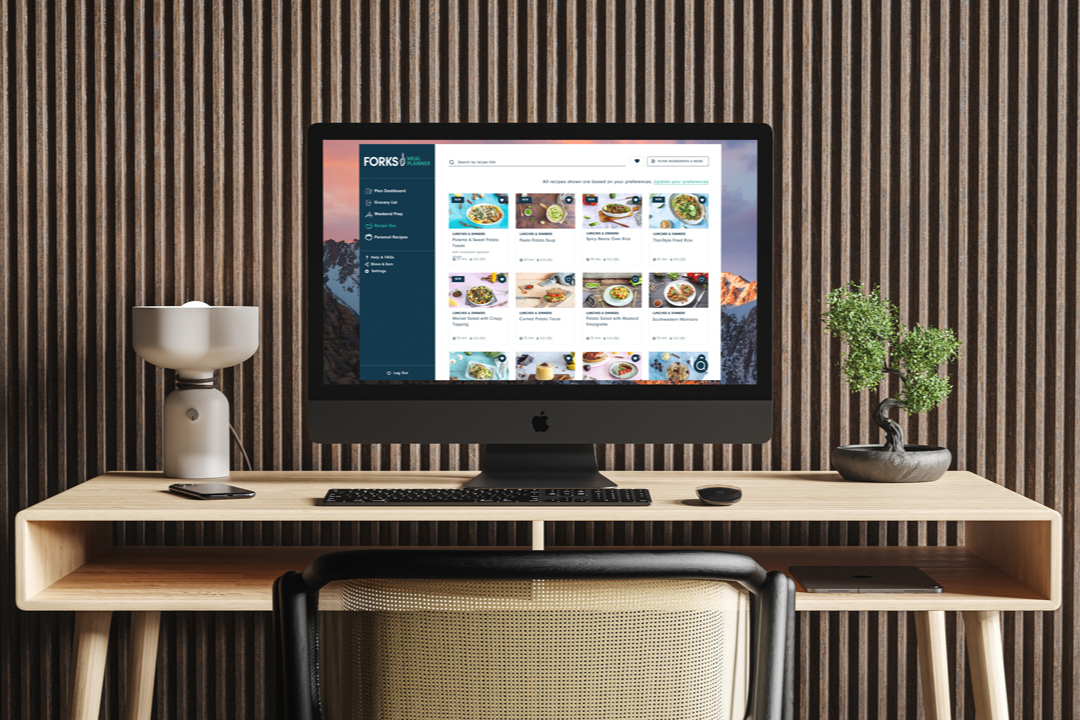
Redesigning FOK's meal planner for conversion and retention
A research-driven redesign of the #1 plant-based meal planning product in the US, tying every UI change to three business KPIs.
- Role
- Product Designer
- Duration
- 6 months
- Tools
- Figma · Design Thinking Framework · User Interviews · Innovation Cycle
Impact & results
- Identified 3 core problem areas through an innovation-cycle methodology
- Generated testable solution concepts across 3 innovation levels
- Improved filter architecture and feature discovery
- Proposed family profiles and a service-bundling strategy
The challenge
Improve the Meal Planner experience by addressing three core business KPIs: increase account creation, increase premium memberships, and improve retention.
The solution
A research-driven redesign that improved filter usability and feature discoverability, and introduced multi-profile experience concepts to drive engagement and conversion.

The full process
- 1
01 — Challenge — Changing the Focus in the Discovery Phase
Goal
Improve the Meal Planner experience by addressing three core business KPIs:
- Increase account creation
- Increase premium memberships
- Improve retention
Key Actions
- Audited the existing Meal Planner experience
- Detected UX friction points from research and interviews
- Reframed discovery focus toward conversion and retention drivers
- Defined 3 primary problem areas to guide solution scope
Visual Assets
- Research dashboards
- Usage charts
- Problem definition diagrams
- 2
02 — Research Through Innovation Cycle
Method
Design Thinking + Innovation Cycle to understand user behavior and product gaps.
Key Actions
- Designed a structured innovation cycle
- Defined research questions aligned to 3 main concerns
- Collected behavioral and usage data
- Clustered findings by problem category
- Transformed raw data into visual graphs
Interviews
- 80-question interview script
- Captured web and mobile usage feedback
- Identified feature requests and friction points
- Organized responses into visual summaries
Key Insights
- Users value the Meal Planner overall
- Weekly planning dominates over daily planning
- Coaching is perceived as high value
- Mixed behavior: strict planners vs. flexible planners
- Strong leftover-usage patterns
- Trial experience rated positively
- Web and mobile usage are balanced
- Many users cook for multiple people
User Personas
- Identified 3 core buyer personas
- Modeled motivations, habits and planning styles
- Used personas to guide solution directions
- 3
03 — Ideation — Improving the Features with Design Ideas
Purpose
Convert research insights into testable design solutions.
Key Actions
- Entered a structured ideation phase
- Generated multiple solution concepts
- Mapped ideas to user pain points
- Evaluated ideas by KPI impact potential
- Grouped proposals into 3 innovation levels: Conservative, Innovative, Disruptive
Solution Strategy
Designed experience improvements to:
- Increase retention
- Improve engagement
- Drive premium membership acquisition
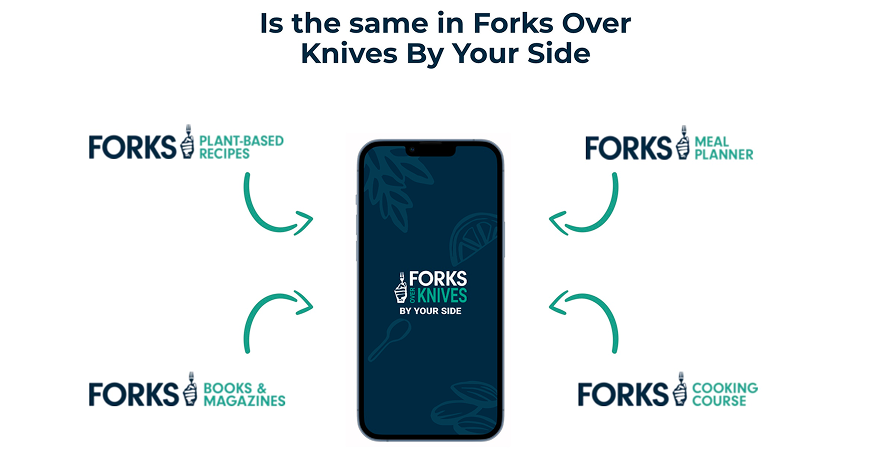
Concept — "FOK by Your Side"
Integrated multiple company services into one unified app experience.
Opportunity Levers
- Feature expansion
- Service bundling
- Freemium model exploration
- Value-based upgrade path
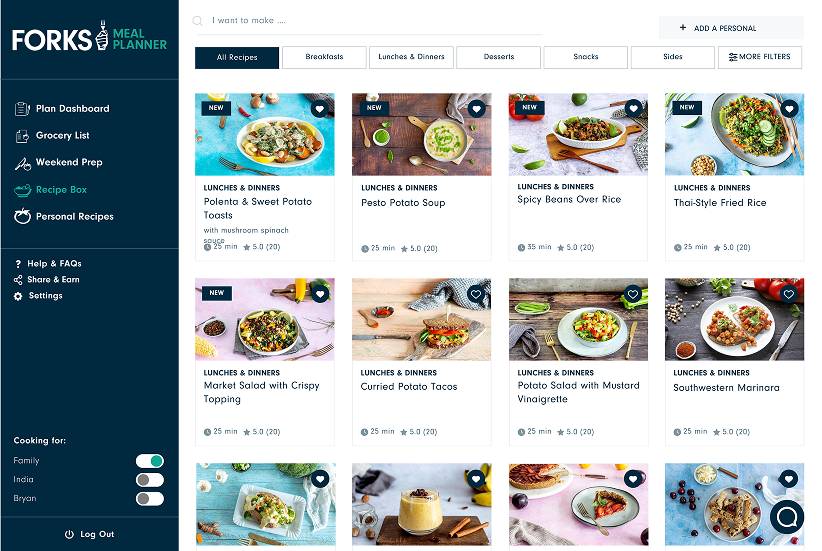
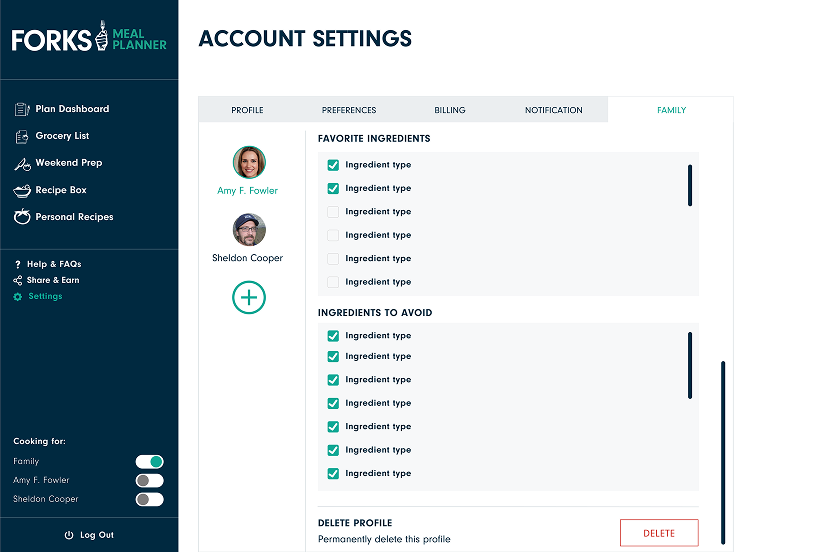
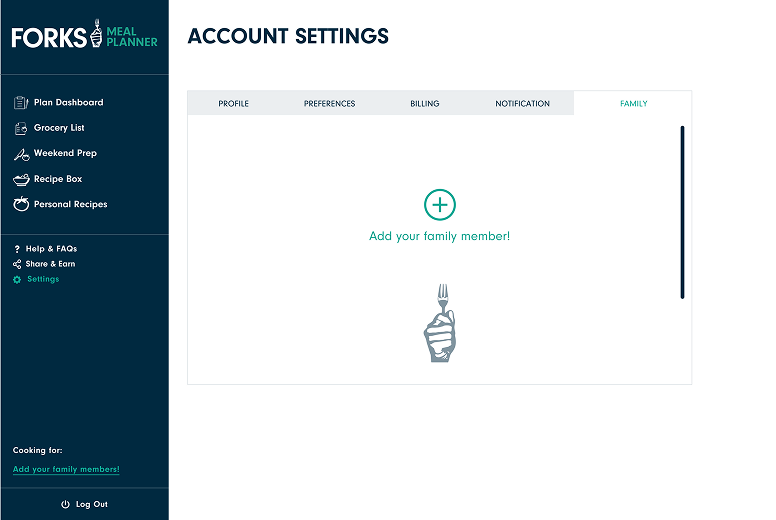
Family & Profiles Concept
- Multi-profile experience
- Custom settings per family member
- Profile-level usage tracking
- Better long-term data consistency
Visual Assets
- Ideation concept diagrams
- Feature concept illustrations
- Experience flow mockups
- 4
04 — Solution — UI Changes for the New Experience
Focus Area
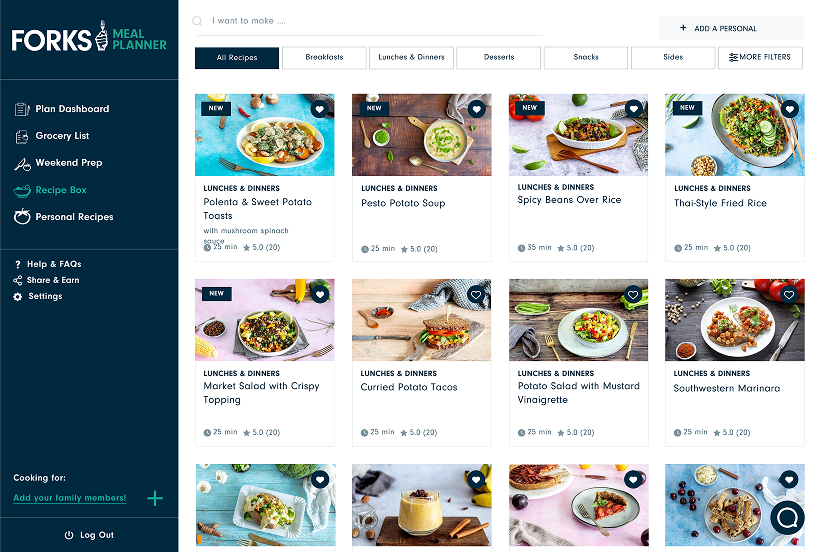
Meal Planner UI redesign.
Key Actions
- Reorganized filter section for clarity and grouping
- Improved filter usability and readability
- Relocated hard-to-find features
- Simplified navigation paths
- Reduced discovery friction
Design Outcomes
- Cleaner filter architecture
- Faster feature discovery
- More intuitive planning workflow
- Better feature visibility
Testing Plan
- Proposed solution validation through user testing
- Defined effectiveness checks for each concept
- Recommended iterative validation rounds